
- Updates
- News
On 2 October, the Quanzhou Culinary Heritage Museum, Donghai Central Activity Zone, Quanzhou, welcomed a steady stream of residents and visitors.
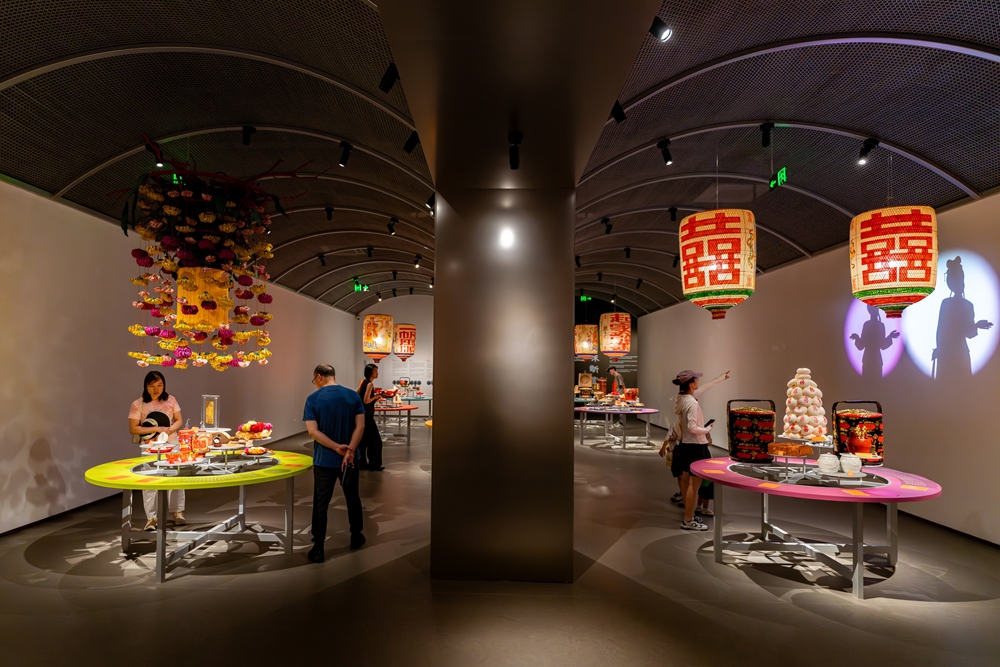
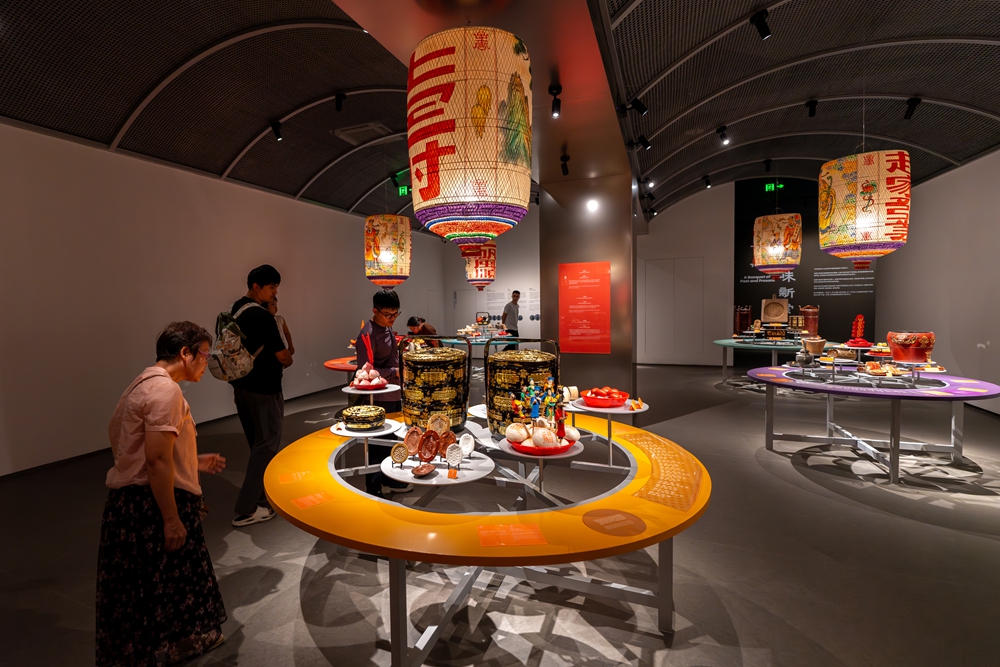
The section 'A Table for Human Life' uses nine banquet settings to recreate the life rituals of a baby's first full month, a wedding, moving into a new home and ancestor worship.
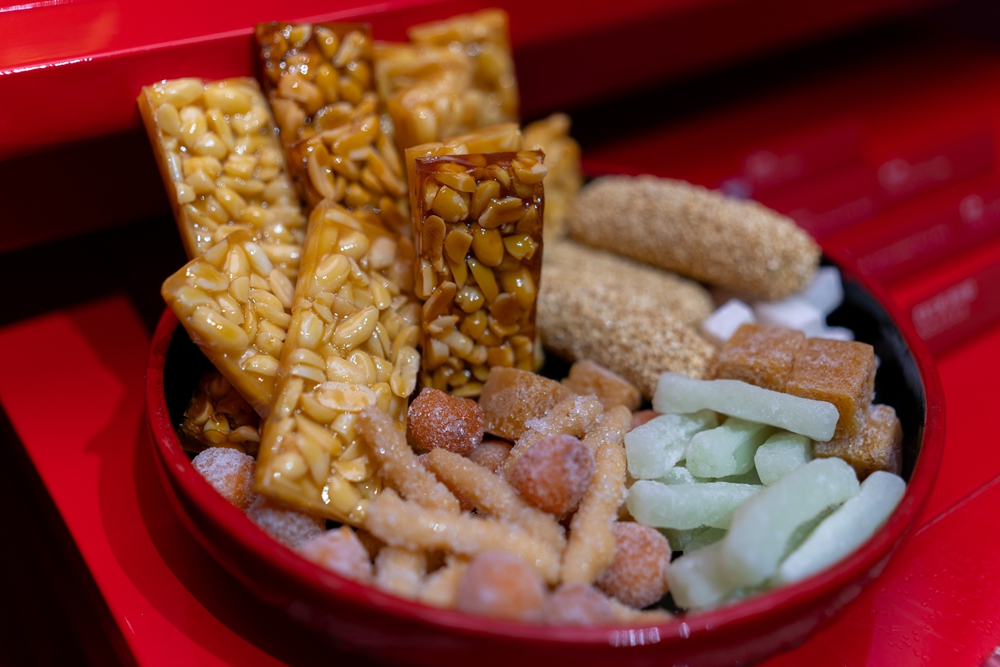
Peanut brittle, cunzao (fried date-shaped pastry), juhonggao (soft orange rice cake), candied winter melon and other sweetmeats.
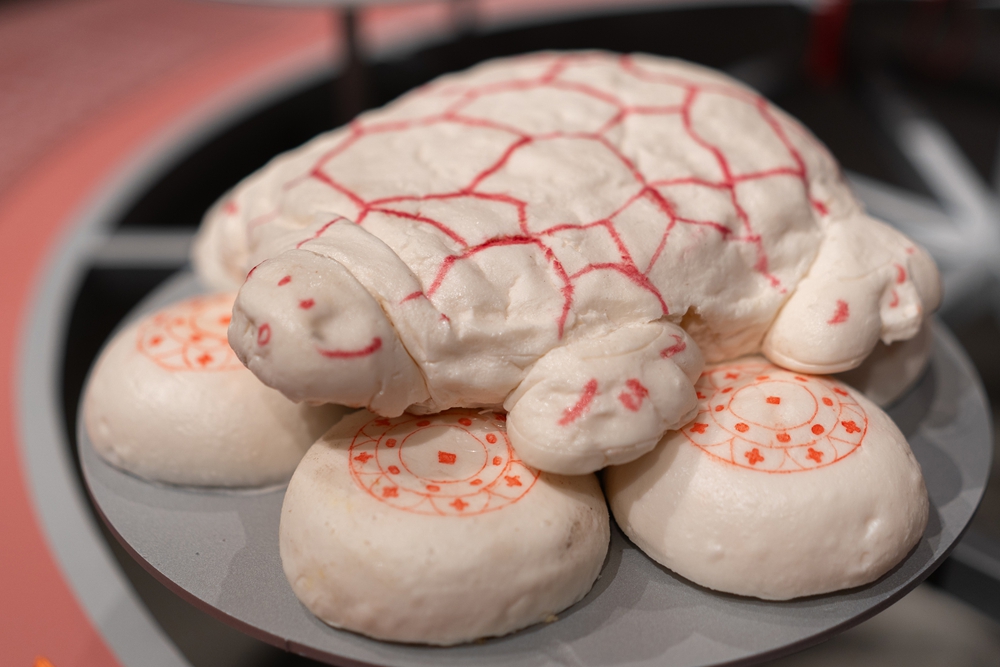
A 'four-legged turtle' cake made for duzui - a child's first birthday - and given as a gift to relatives and friends.
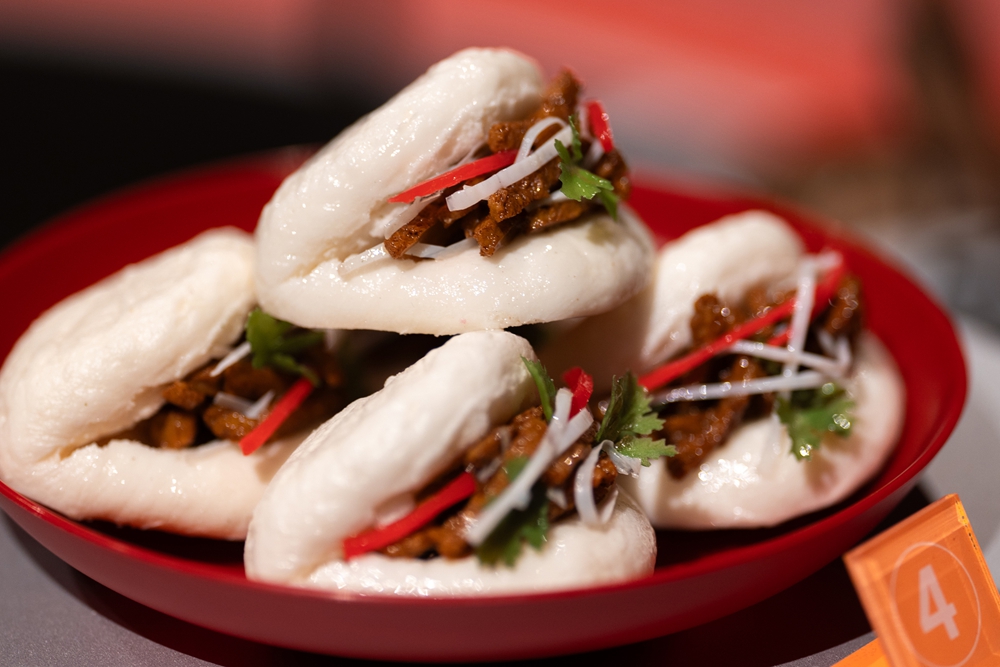
Gua bao, often served at Quanzhou's weinya (year-end) banquets. Shaped like a purse and generously filled, it symbolises a full treasury of wealth.
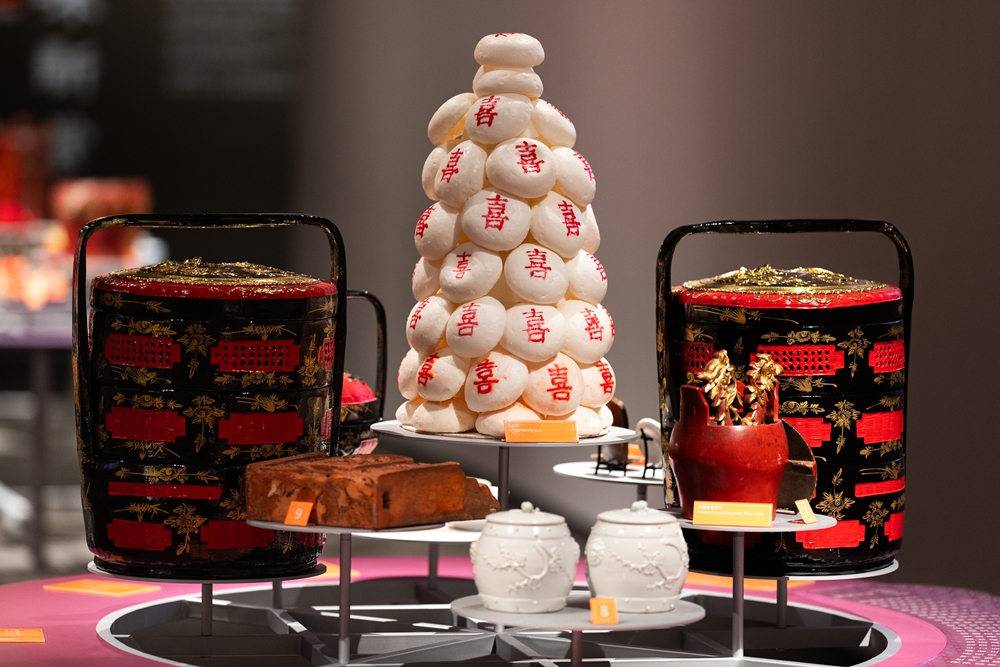
Display of wedding banquet foods and utensils
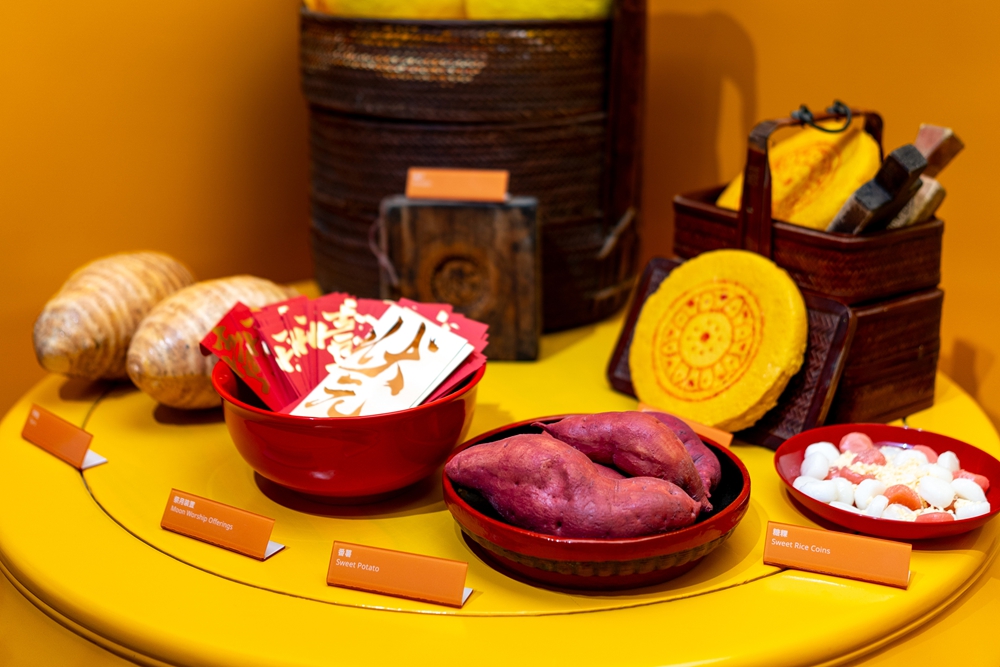
Moon-worship altar and its implements
The museum is running a public preview from 1 to 10 October and opens officially on 1 November. Its permanent exhibition is titled 'Banqueting: Culinary Traditions and Life Worlds in Quanzhou'.
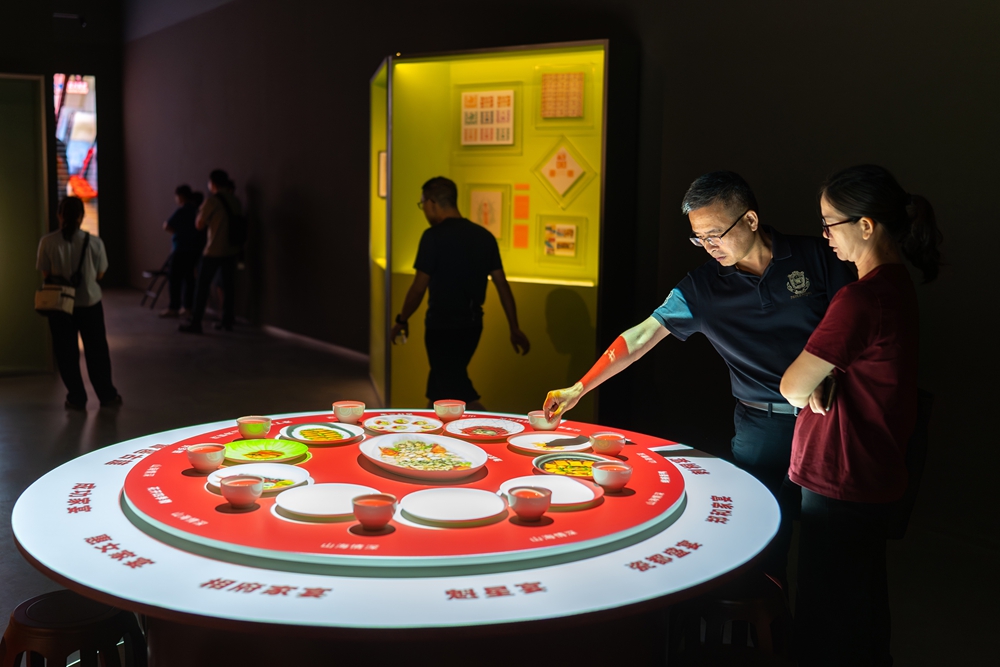
The section ' A Banquet of Past and Present. ' uses interactive projection to swap dishes on the table, showing how Quanzhou's diet has changed.
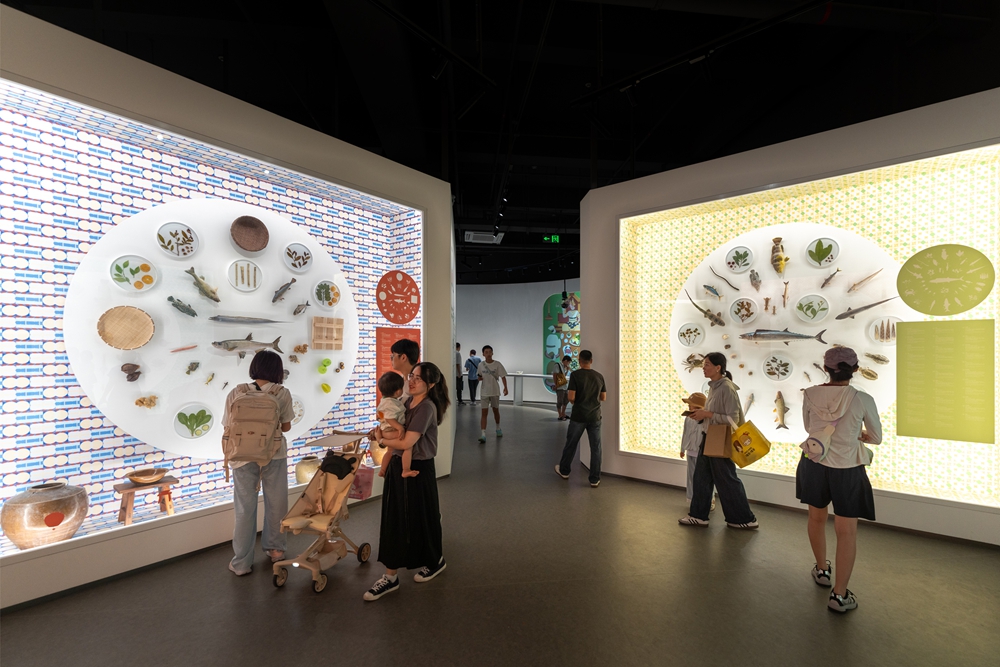
The section 'A Table for Every Season' displays specimens arranged on round tables set into the wall, presenting the delicacies of land and sea through the four seasons.
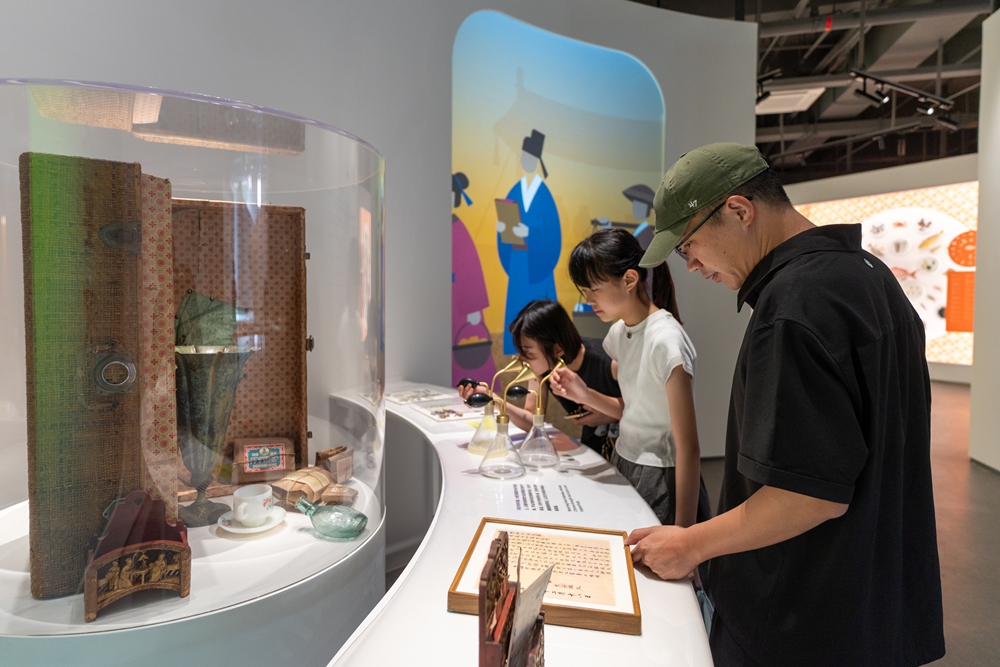
The section 'A Table through Time' uses a timeline to trace a thousand years of Quanzhou's food, from the opening of the port of Zayton in the Song and Yuan dynasties to the migration of southern Fujian people to Southeast Asia.
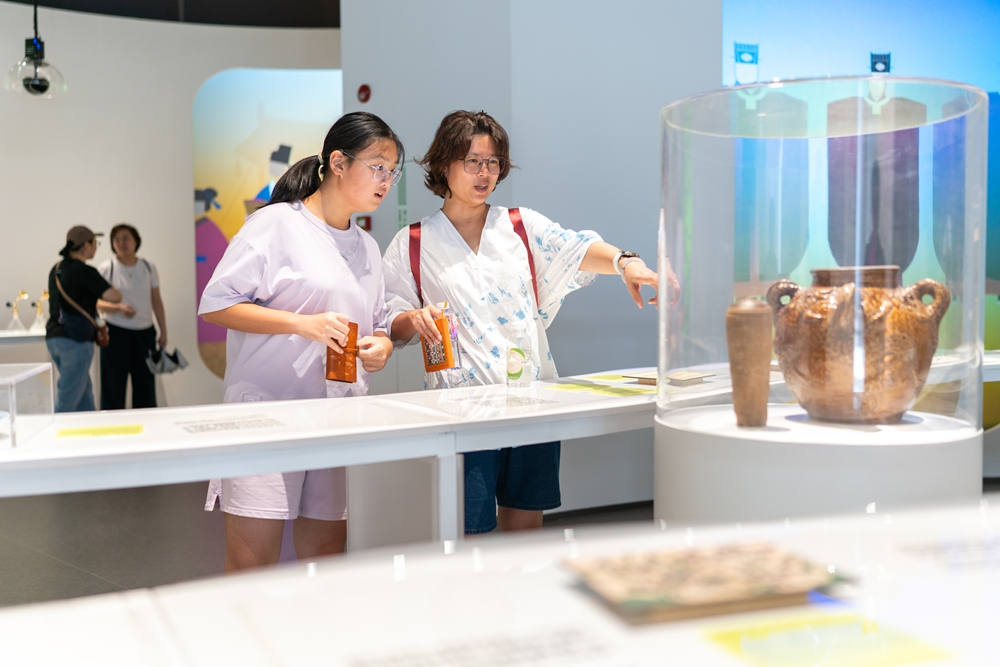
The section 'A Table through Time' uses a timeline to trace a thousand years of Quanzhou's food, from the opening of the port of Zayton in the Song and Yuan dynasties to the migration of southern Fujian people to Southeast Asia. In the picture, visitors are learning about eating vessels of the Song and Yuan periods.
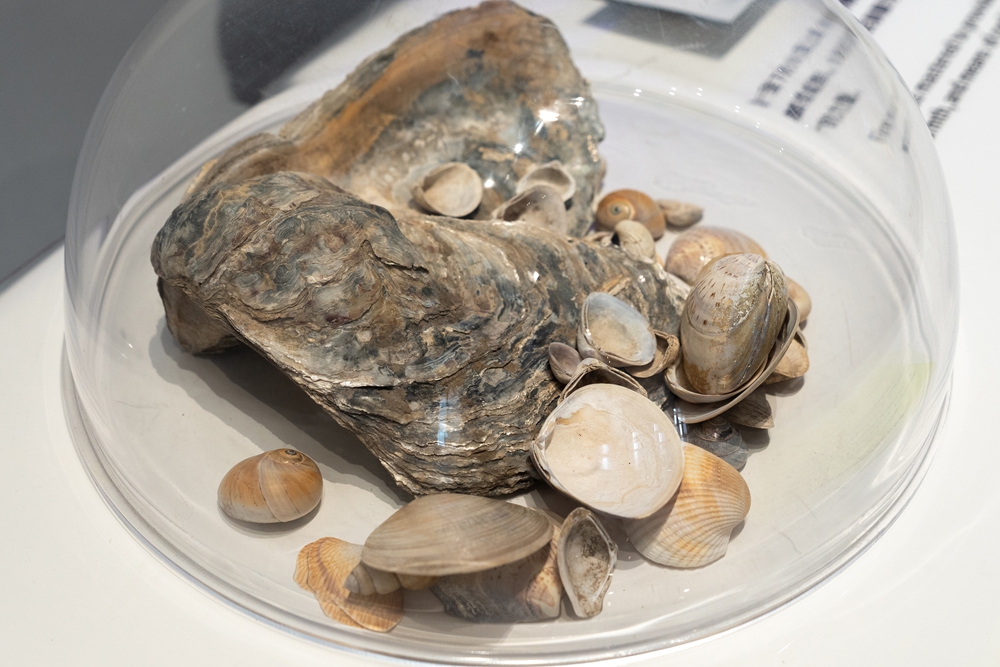
Fossil specimens of shellfish commonly eaten at Stone Age sites in Quanzhou
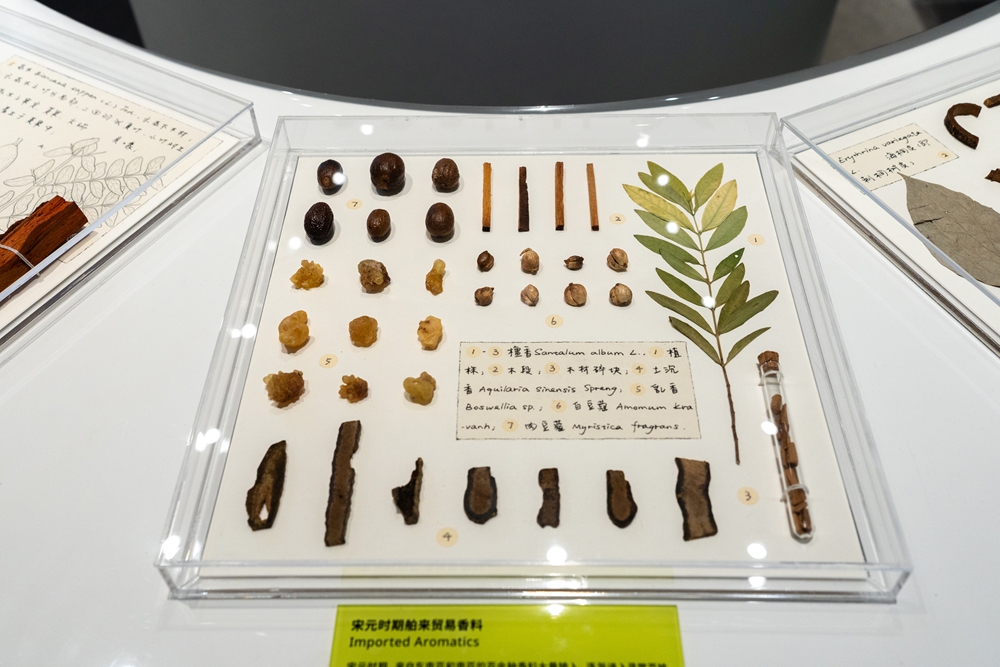
Spices imported through trade in the Song and Yuan dynasties
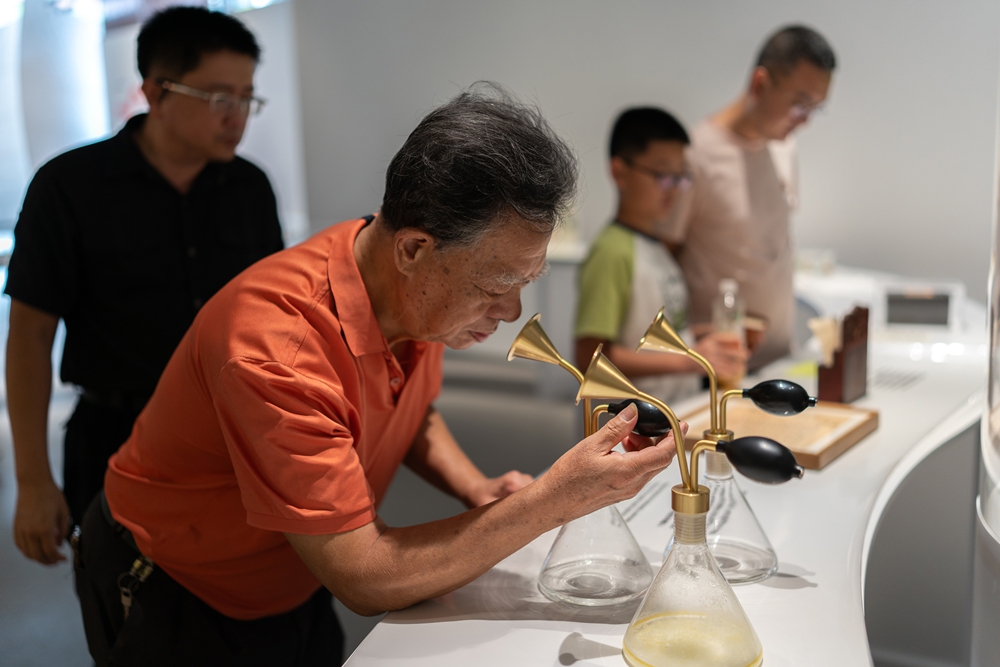
Visitors identify spices by scent
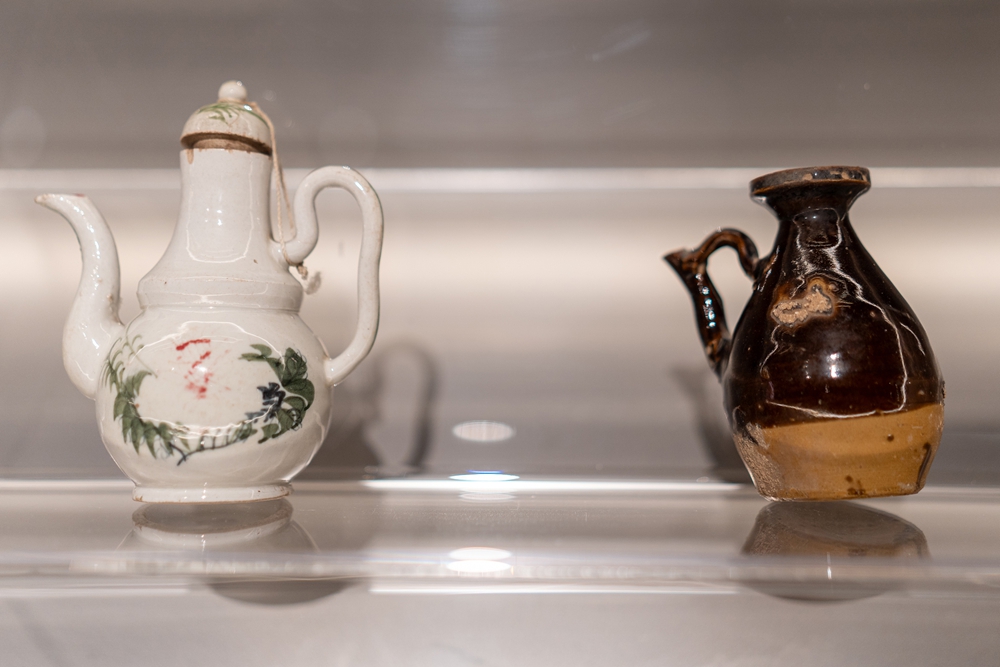
A vinegar bottle and a soy sauce jug used in old Quanzhou. Left: an underglaze-coloured gourd-shaped vinegar bottle from the Yongchun kiln; right: a brown-glazed soy sauce jug.
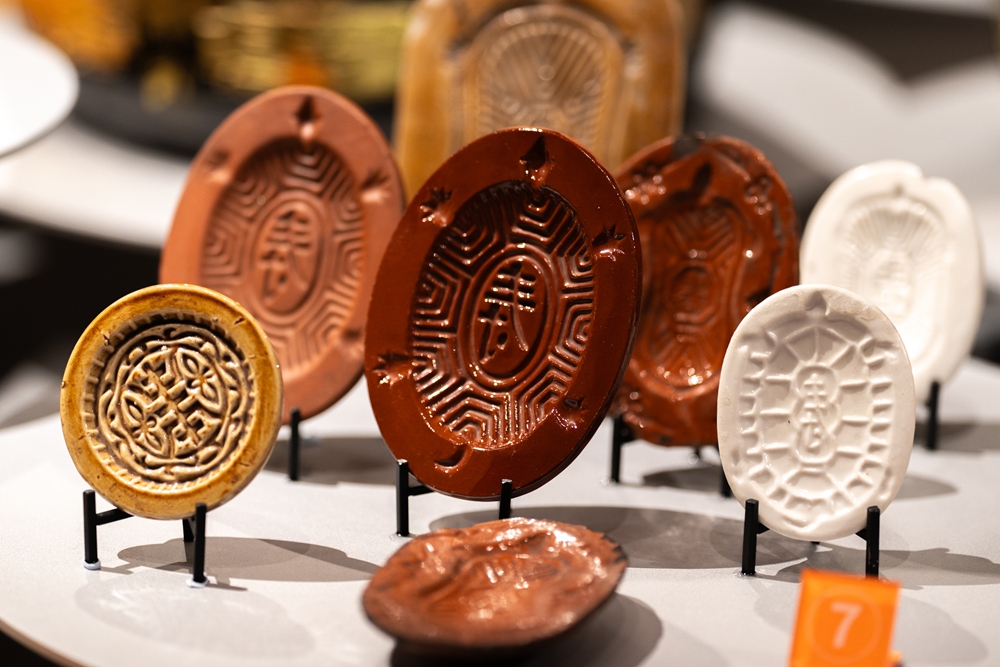
Turtle-shaped rice cakes (guikui) used to celebrate a birthday, pressed with a mould that imprints a chrysanthemum and the characters for happiness (fu), longevity (shou) and the wan (eternity) motif.
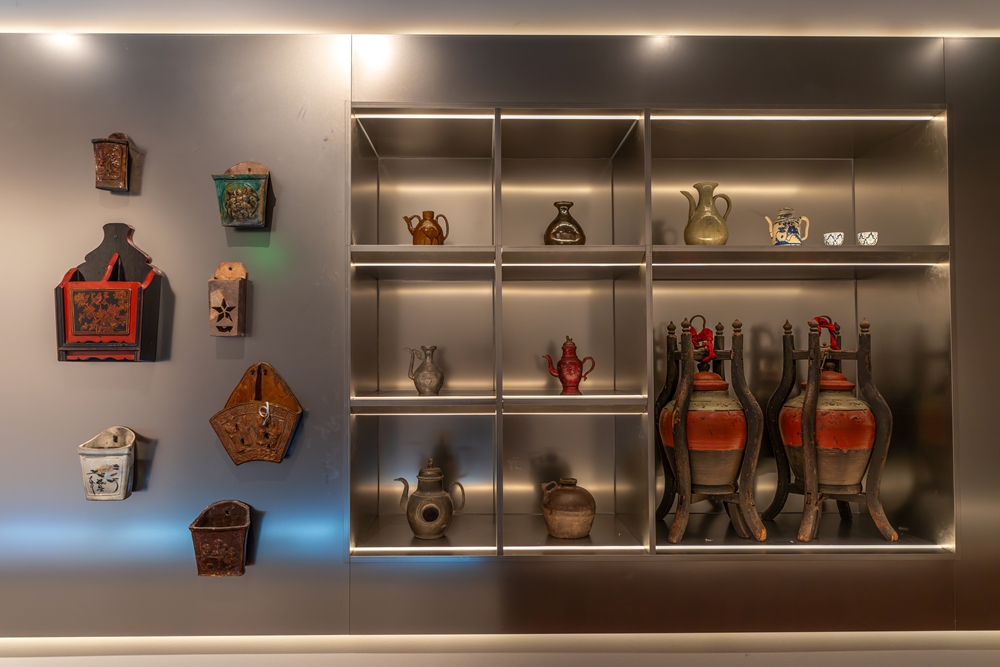
Kitchen utensils
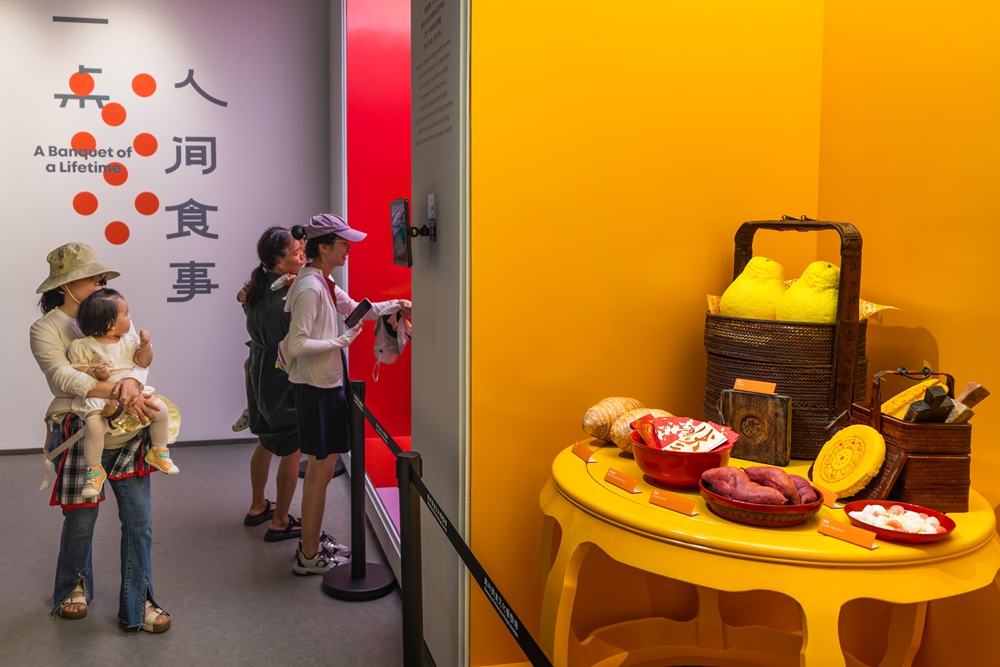
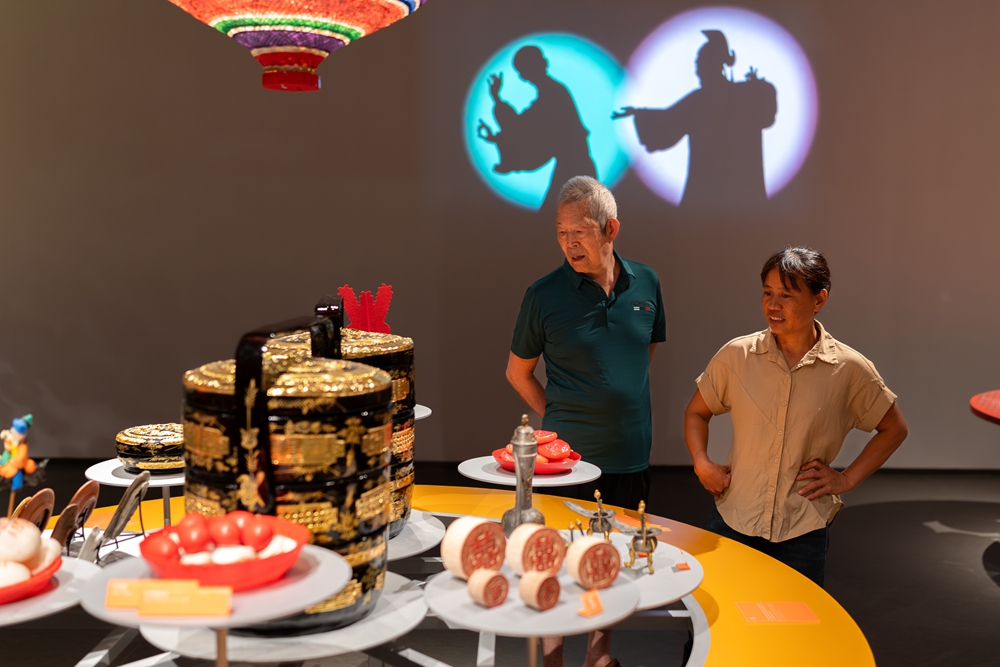
Residents and visitors tour the exhibition.
Built around the idea that ‘one table is one lifeworld’, the museum unfolds Quanzhou’s culinary culture across four sections: A Table through Time, A Table for Every Season, A Table for Human Life and A Banquet of Past and Present. Showcasing more than 400 artefacts, it evokes the distinctive everyday vitality of Minnan, framed by mountains and sea, spanning past and present. (Text and photographs by Chen Qituo, multimedia reporter, Quanzhou Evening News)
 Return List